In this assignment, we were tasked with finding computational design in everyday life, whether that be man made or found in nature. Our first challenge was to find three different types of computational design in nature. I have done a lot of traveling, so I wanted to use photos that I had taken on my trips.
Section 1- Design in Nature
Botanical World

This first picture is my example of computational design in the botanical world. I took this photo in Hawaii, and I think the tree roots were in a really interesting shape, they were really tall and wavy, which I had never seen before and seemed very computational to me, where it could be made out of different mathematical waves.
Zoological World
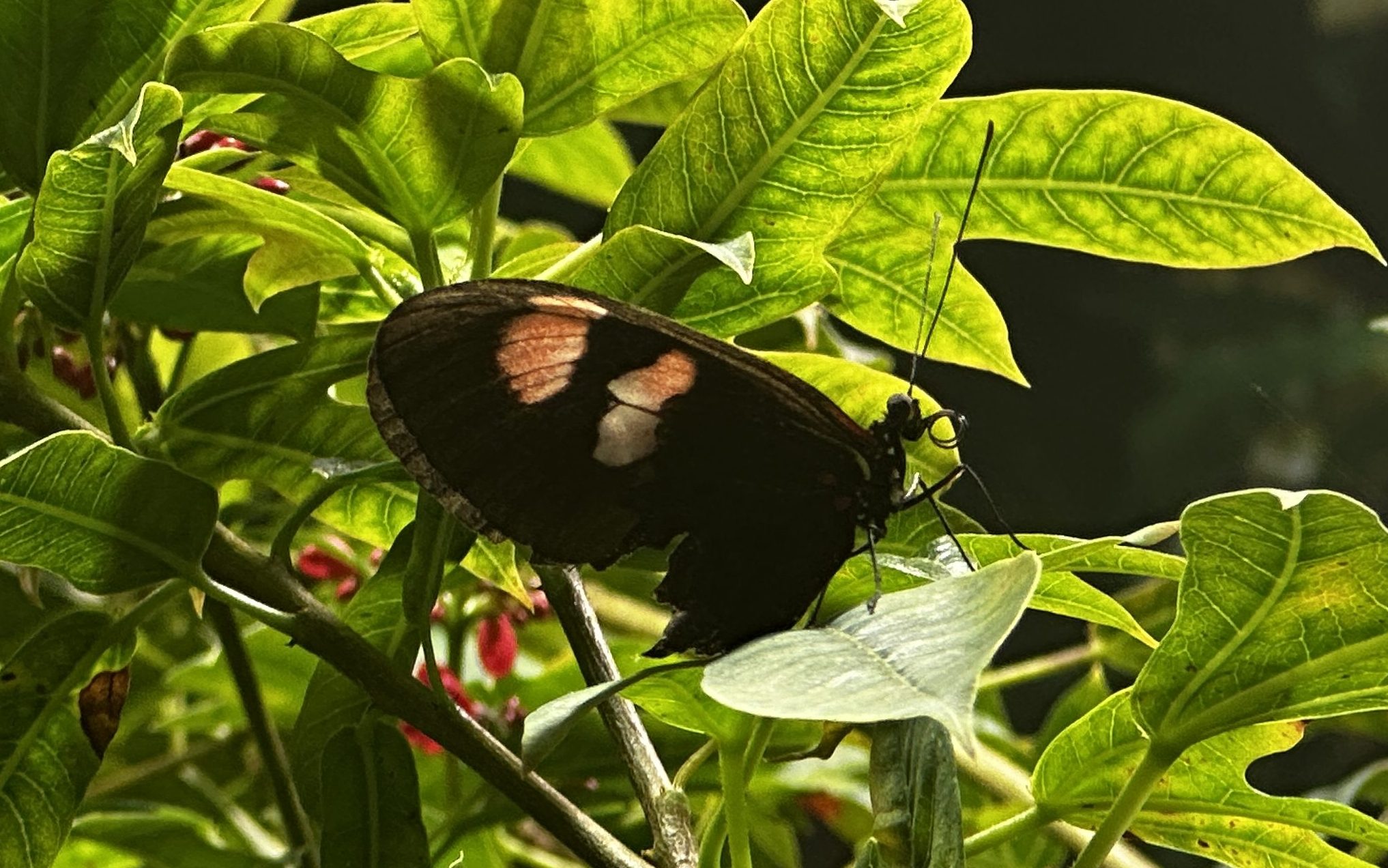
This next picture is my example of computational design in the zoological world. I took this photo in New York, and I think the design of butterfly wings are a good example of symmetry in nature.
Environment built by organisms
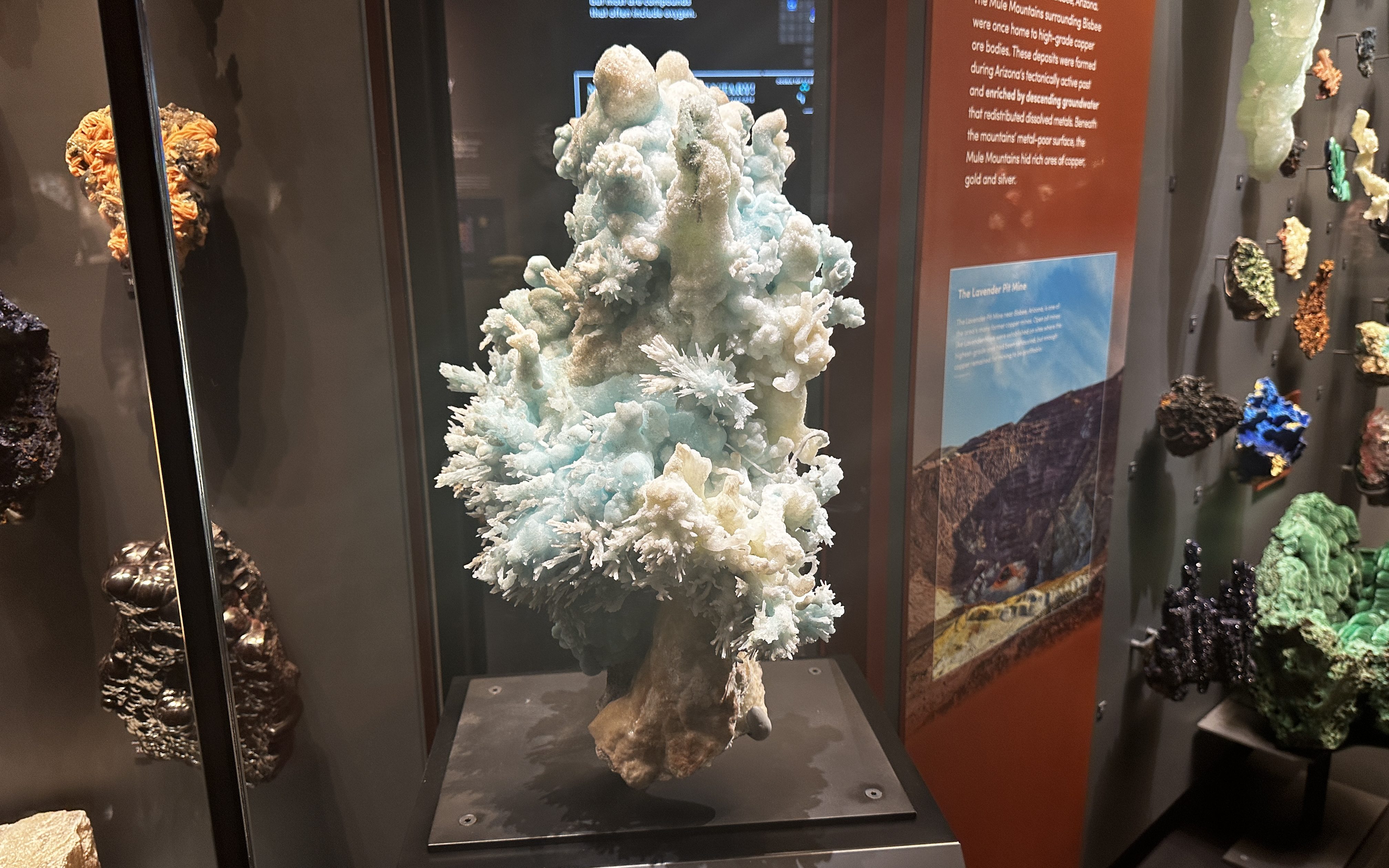
This picture is my example of computational design in environment built by organisms. I took this photo in New York, and while it’s not exactly built by bees, it’s still in nature and part of organisms habitats. It reminds me a lot of generative 3d modeling.
Section 2- Man-Made Designs
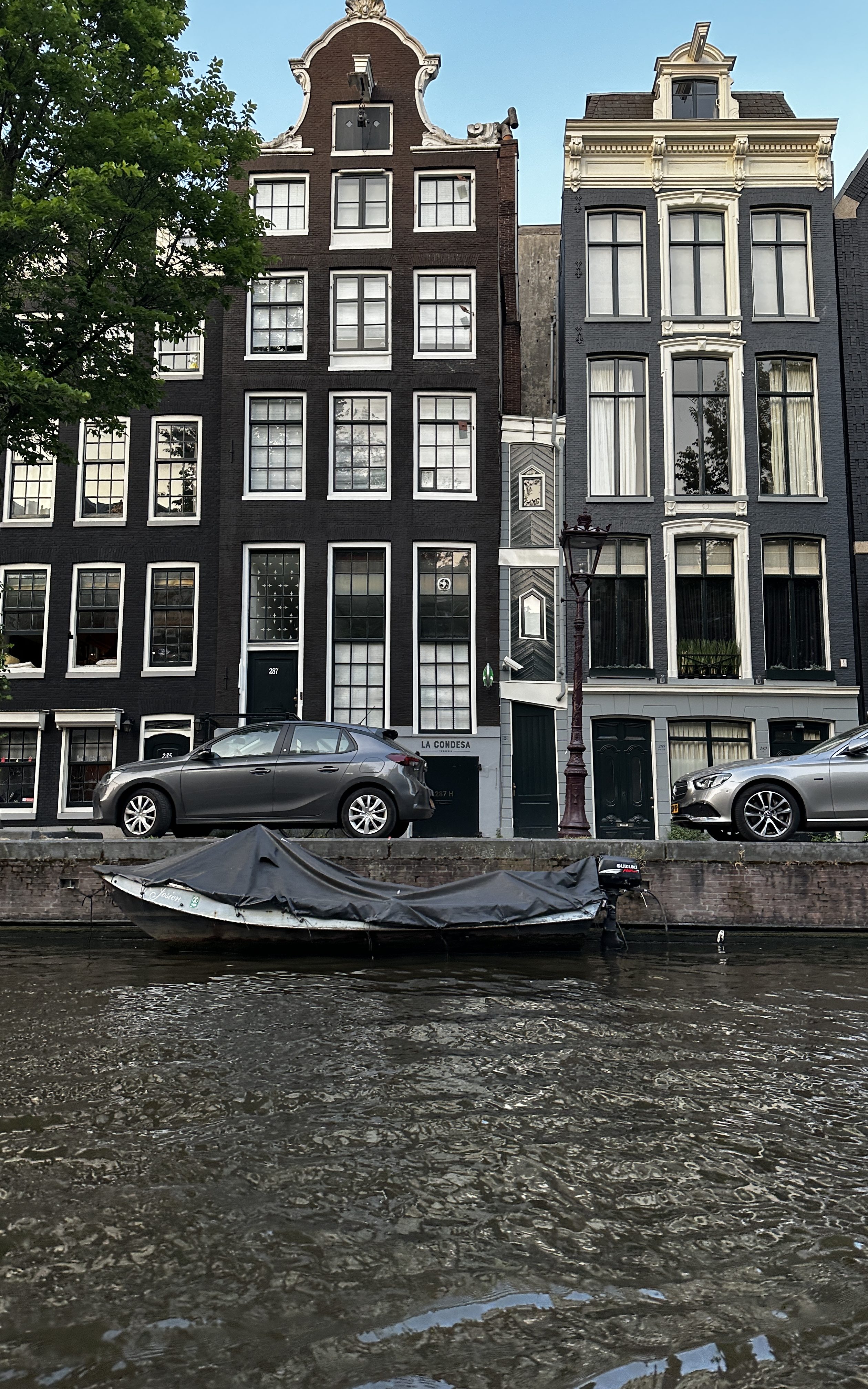
This photo is my first example of computational design in human-made built environments. This was taken in Amsterdam, and I thought the way the buildings were aligned and how tall they were was something you could replicate in computational design.

This next photo was taken in Rome. Whenever I see columns it reminds me a little of computational design. I think the whole structure of this monument though feels intentional, maybe because of all of the harsh edges and symmetry.
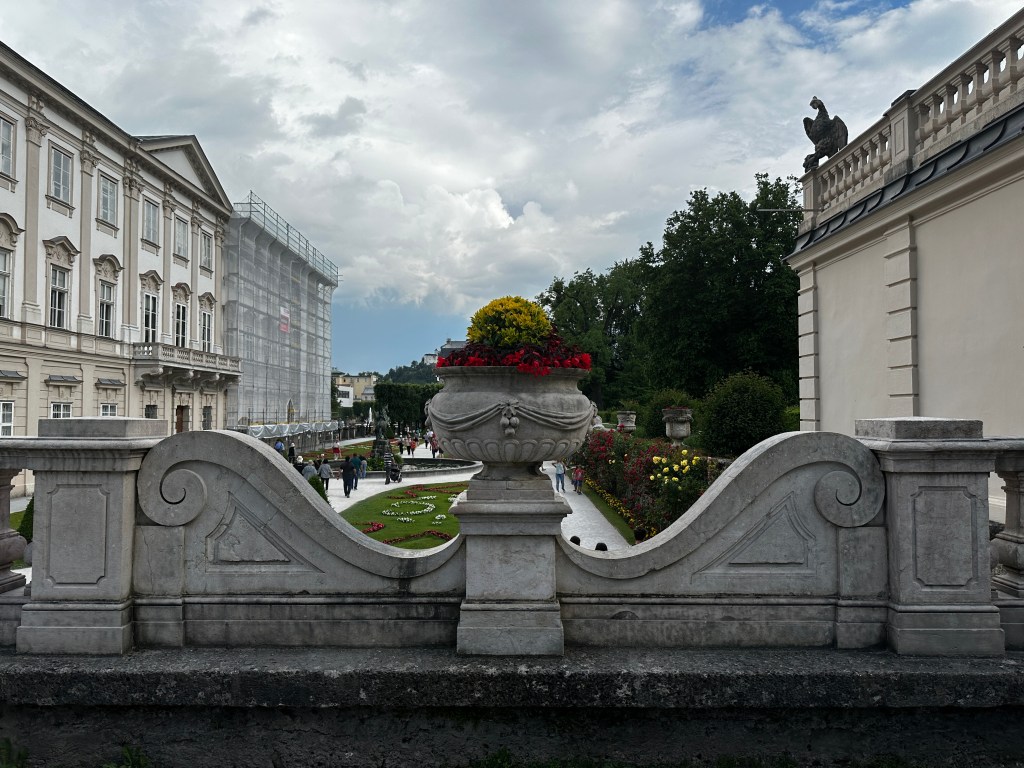
This last photo for this category was taken in Salzburg. I think the curves and pillar in the middle remind me of a project that I had to 3d model previously, so It is reminiscent of computation design.
Section 3- Computational Fabrication Artists
Wild Rose Builds
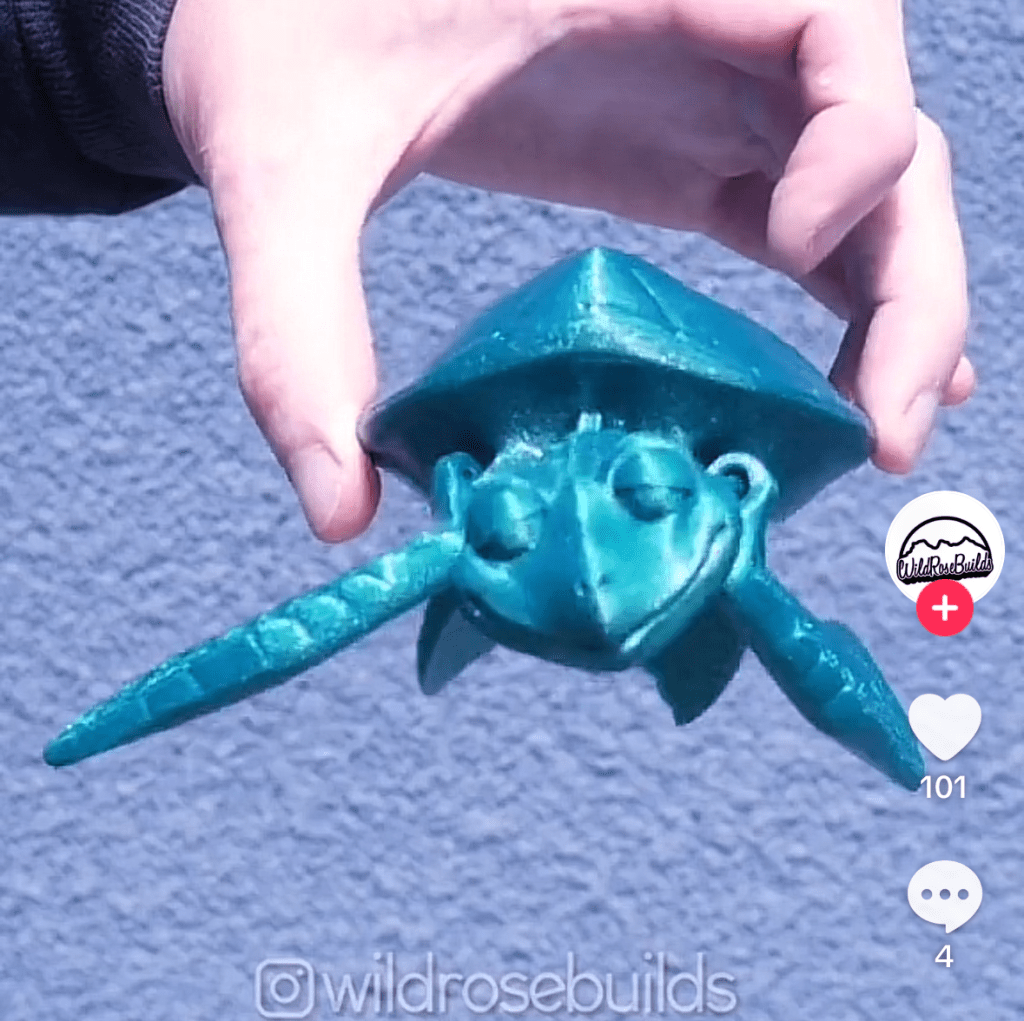
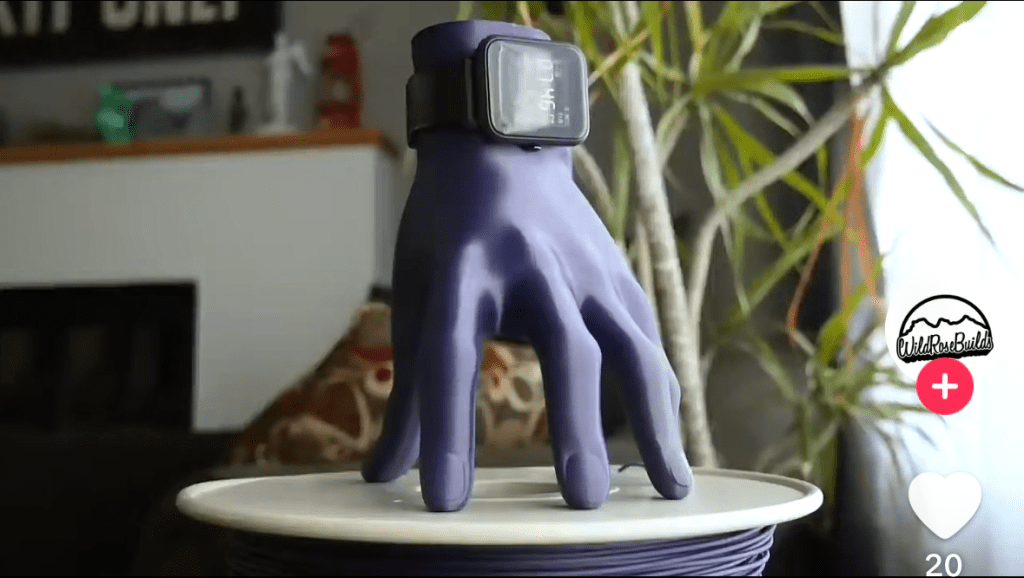
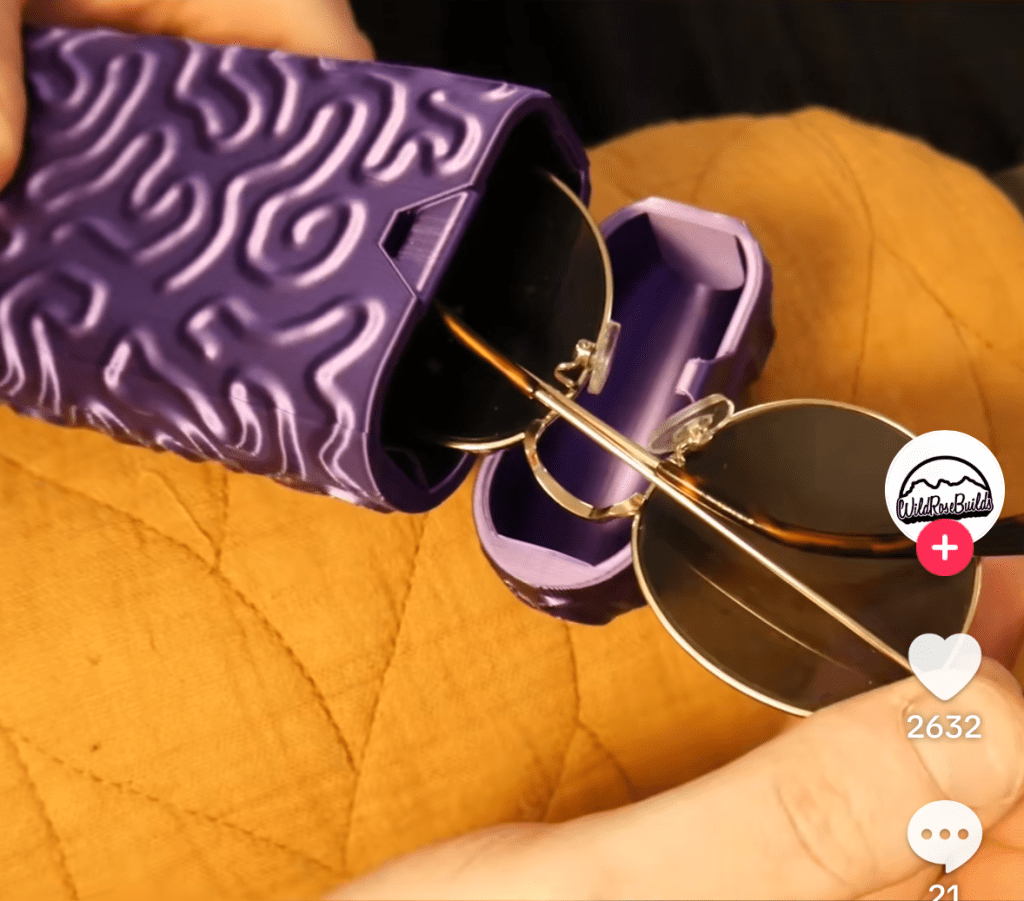
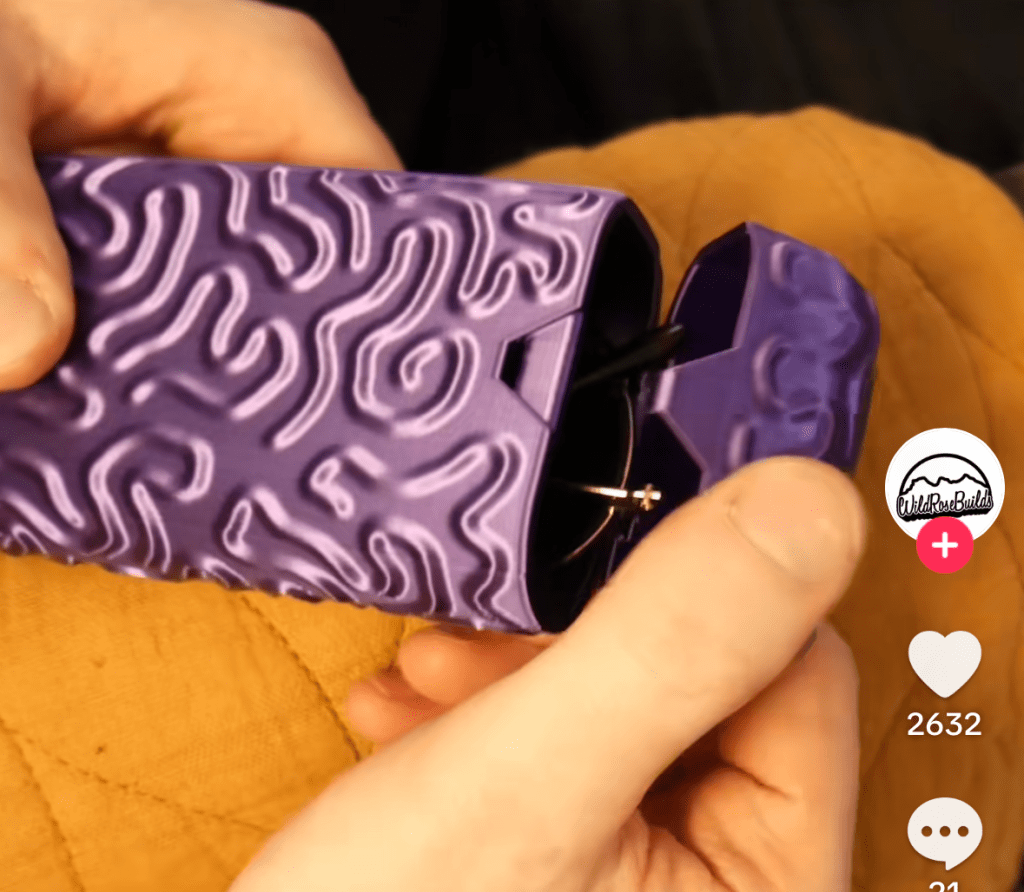
For my first artist, I found a tik tok account that specializes in 3d printing. Their name is wild rose builds, and a link to their page is here. It seems like they sometimes use their own patterns, but they also borrow patterns from other creators on the app but always puts their own spin on things. They make both practical things, like stools and glasses cases, but also makes more decorative things like printings of animals, or stands for your phone or watch. I think I find this work interesting because they are doing things with 3d printing that I have never really seen before. They are making functional joints with only one print which is very cool, but they also make really cool designs for simple things.

Chris Barber
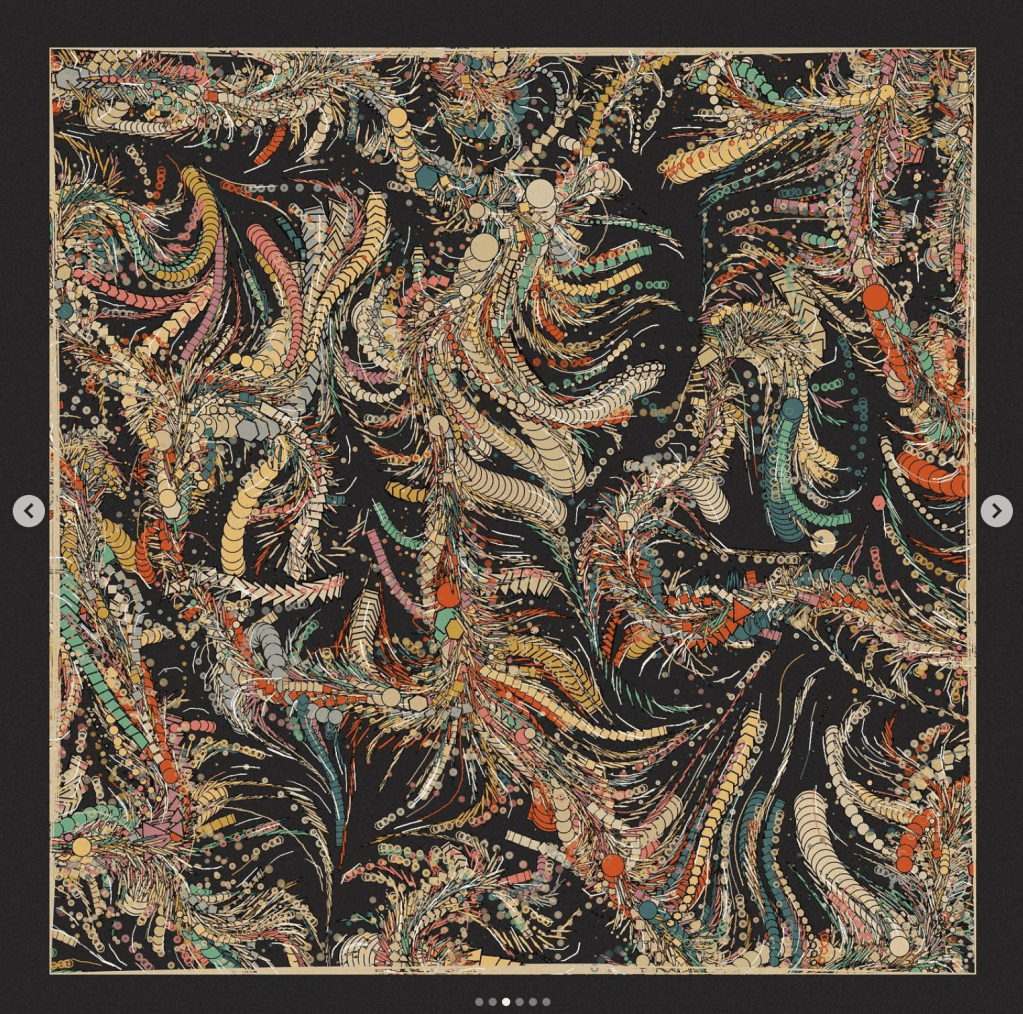
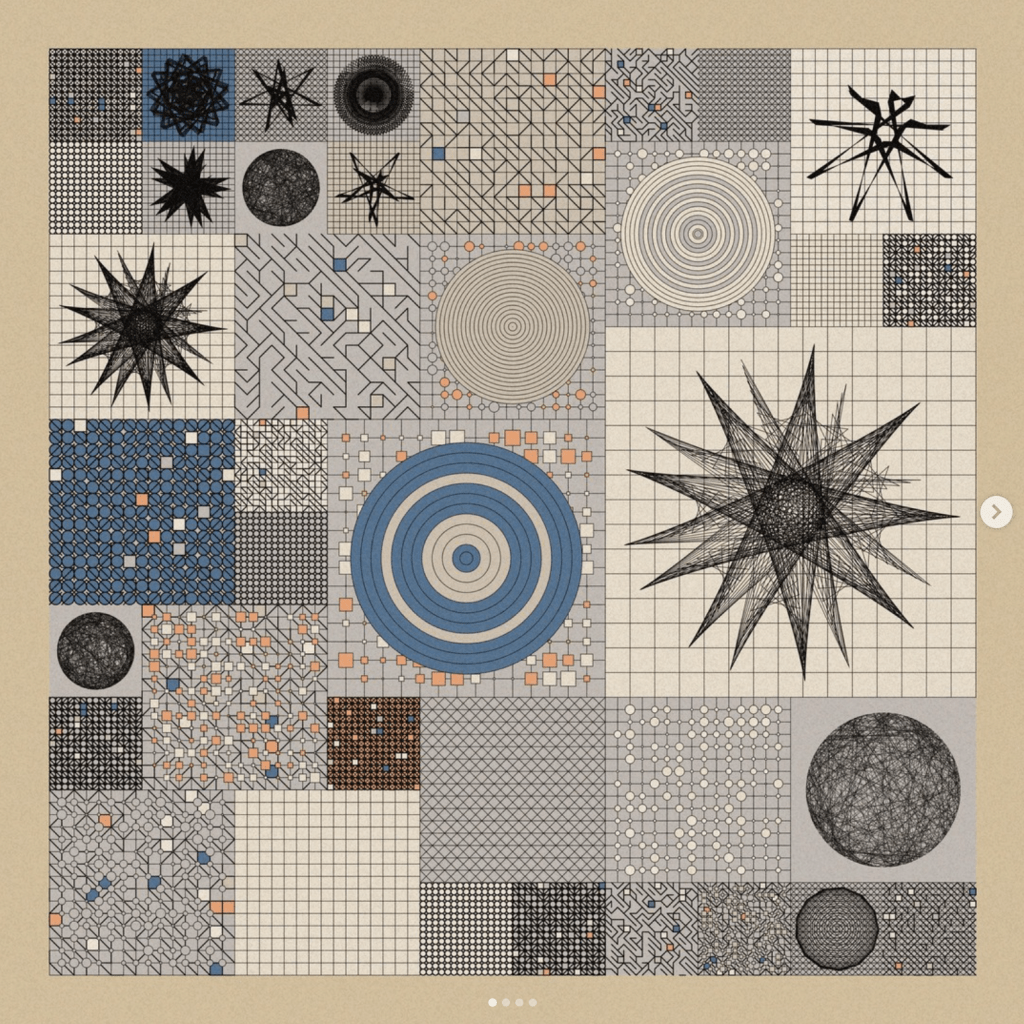
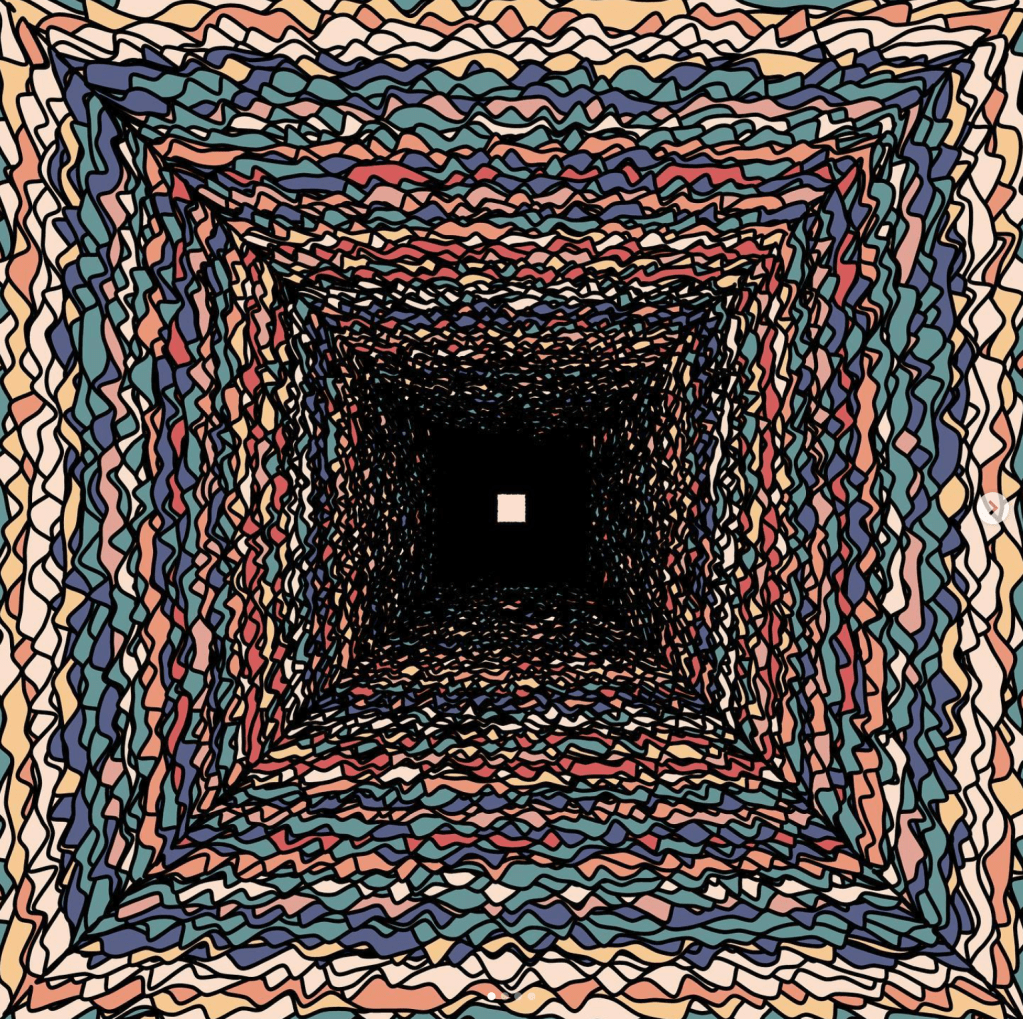
The next Account I found was from instagram, under a handle of code_rgb. here is a link. He is a generative artist using programming and the website p5.js, which I used for a little bit in my previous class Object. He has also used processing in the past. He doesn’t have a lot about his process or how he comes up with his art. He seems to have more abstract work which I find very fun to look at, it reminds me of the generative ai art that I have seen at concerts, where one image morphs into another and so on, but with more shapes and lines and colors rather than pictures. He also does a lot of still pictures as well (I’ve included pictures of his older stuff here, his newer content is a lot of videos). I really enjoy this work because it feels like something I could do. I would like to learn how to use p5.js for generative art and use this page as inspiration. I think he also makes really nice use of color.

 Emmy Kovalic
Leave a comment