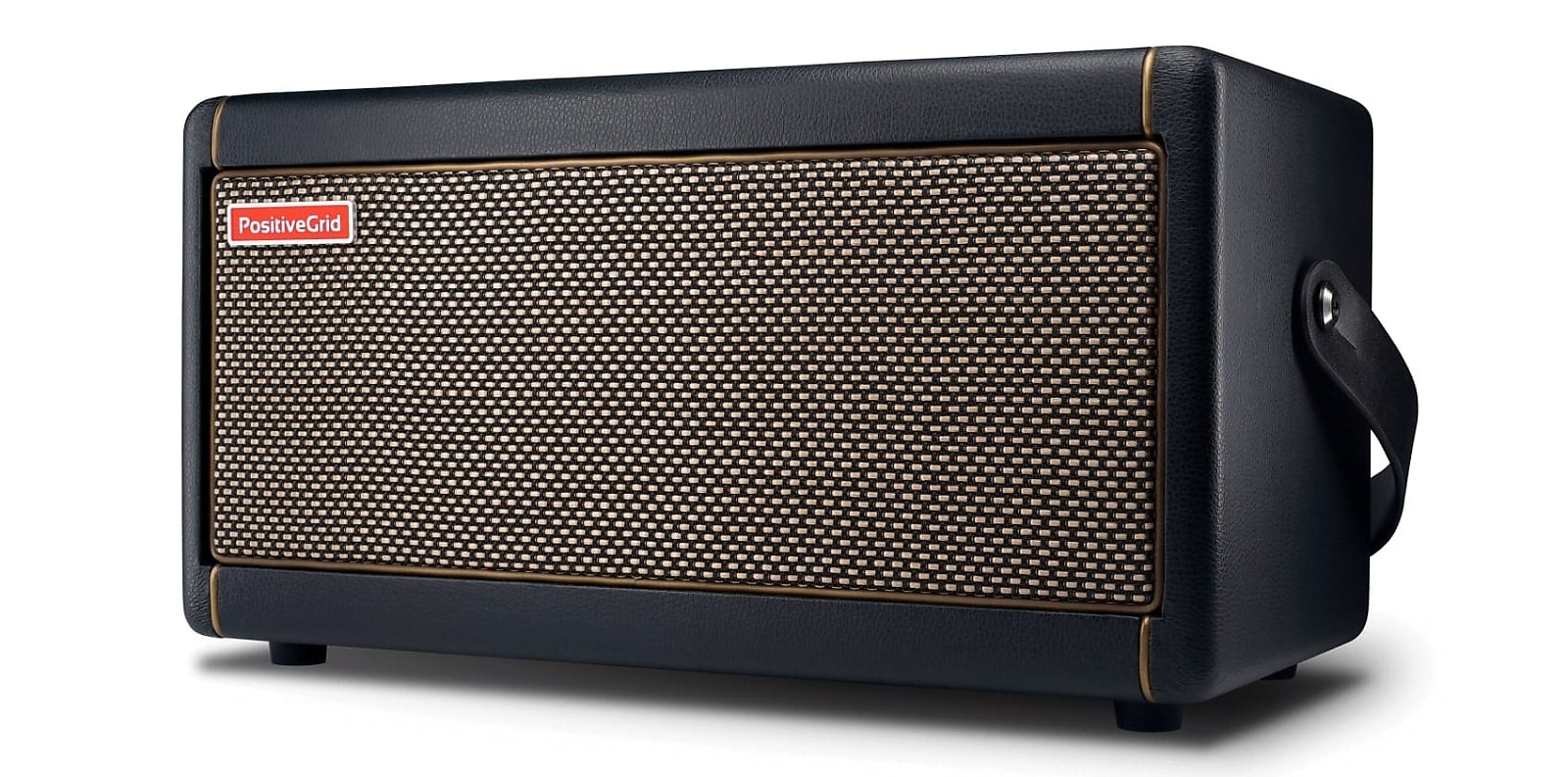
Imagine this scenario, you are at the guitar store trying to find a new amplifier for your band. You look around and all you see are individual amps that would put you out anywhere from 500 to 1,000 dollars. Your band is just starting out, and you don’t have the funds for multiple amps, but you aren’t sure what sounds you need. A typical amplifier will have a single set sound with a couple effects to change, not giving much space to experiment. Having a modeling amp, though, gives you the ability to model dozens of different amp sounds within one. The spark amp, in particular, is better for musicians in both their creativity, and budget, with it’s price of 250 dollars, less than half of what a typical one sound amp would cost you. The combination of functionality, dial layout, and app interaction of the Spark amp makes it the most intuitive and advanced amp for individual practice on the market.
My dad, who was a bassist for a rock band called Poopshovel in the late 20th century, describes the Spark amp as so: “Instead of focusing on one sound that can be represented by vacuum tubes or solid state interactions, the Spark models 500 of them. Modeling technology is a huge leap over what used to be available. I’ve played around with other sound modeling technologies where the sound is honestly not as good as the Spark. It’s 100 amps in 1, and 1000 pedals in one, as opposed to what I’m looking at across the room from me, which are famous amplifiers, but have limited tonal potential. They sound great, but they sound like themselves. The spark sounds like both of these, but also 50 other things and still sounds great.”
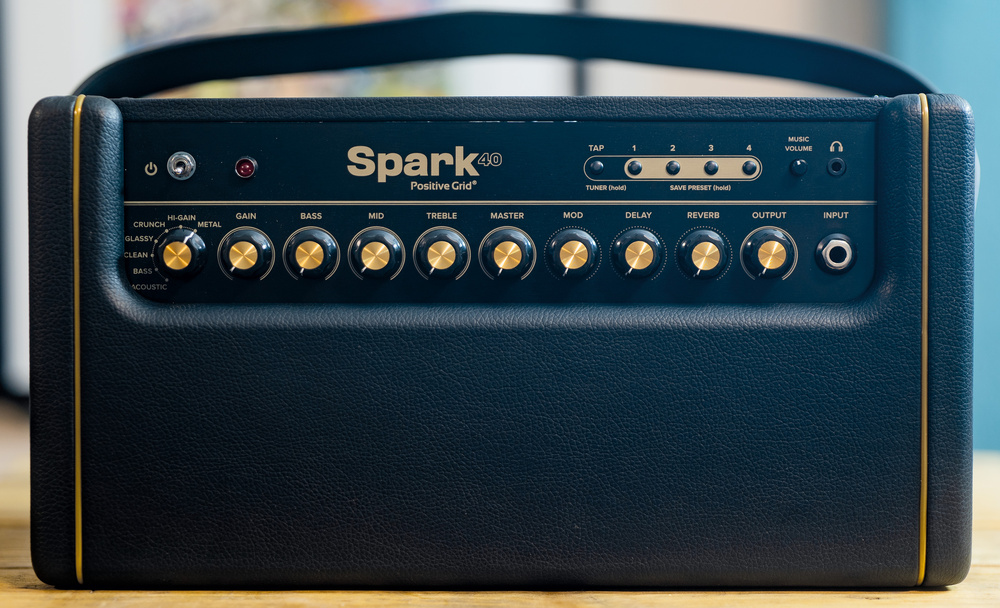
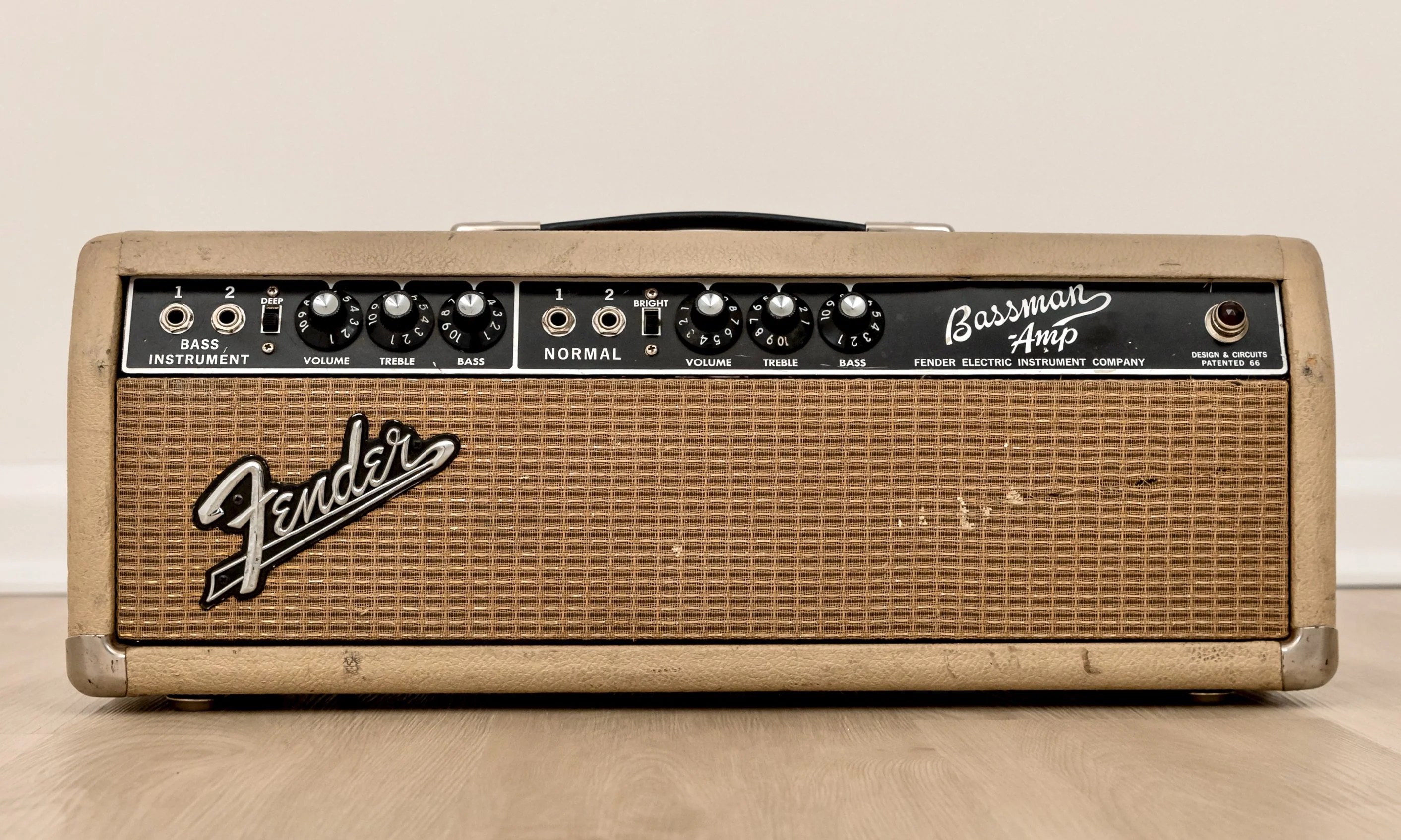
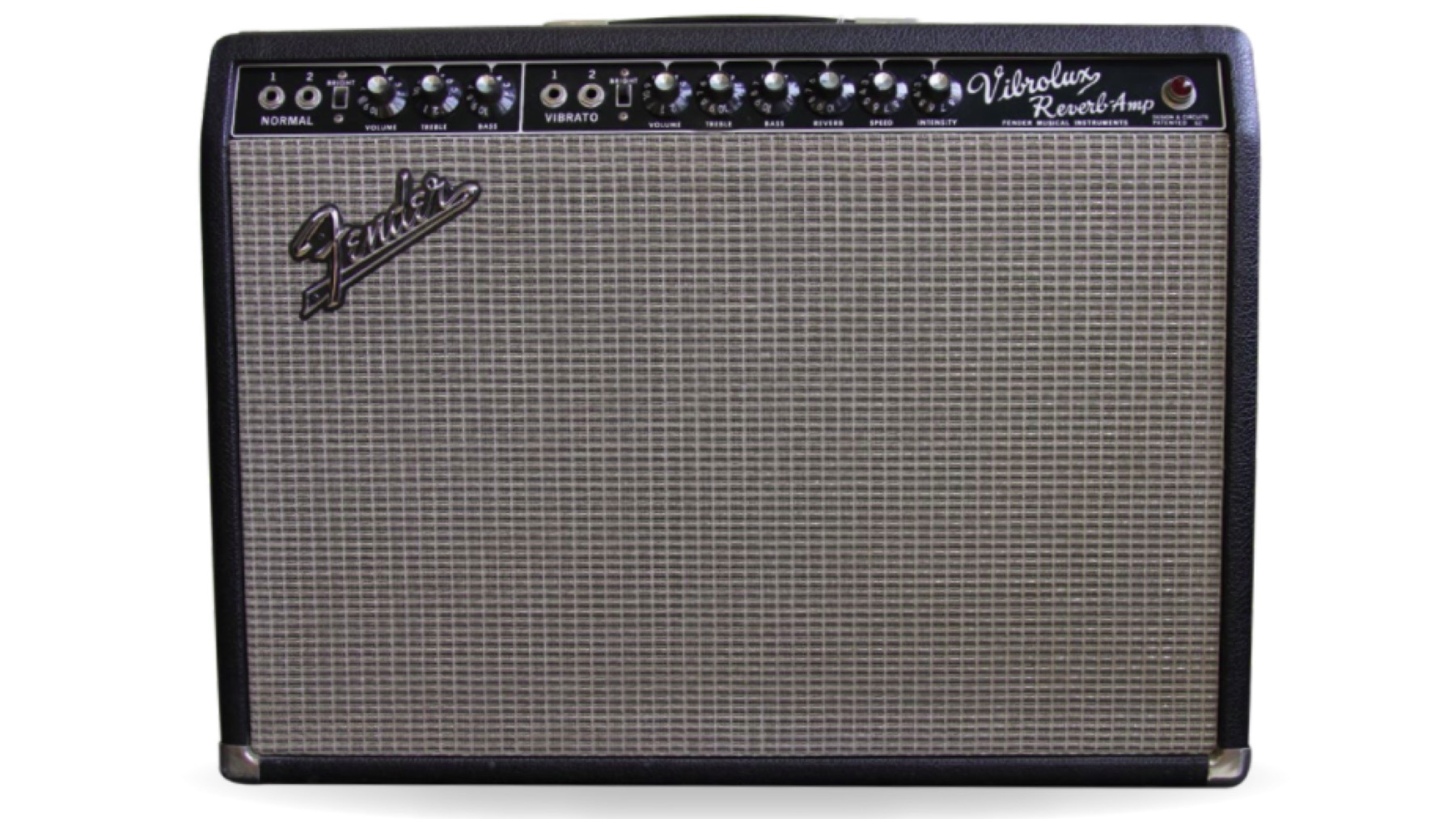
Having an amp that has an intuitive layout for its dials lets the user have an easier time interacting with it than typical amps. The mapping of the Spark amp allows for easy and intuitive adjustment of the dials. On the right side of the amp by the guitar input is the output, or how loud the amp will project the guitar. Having this right next to where you would first interact with the amp allows you to adjust the most important dial straight away without having to search for it, which saves the user time. The next dials are all the effect dials: reverb, delay, and mod. Having them all grouped together allows the user to easily adjust the sound all in one place. Furthermore, each of the effect dials are surrounded by a dotted white line. This differentiates them from the grouping of the main dials: master, treble, mid, bass, and gain, which are all surrounded by white solid lines. At a glance, the user is able to find easily what dial they are looking for because of the Spark amp’s efficient and clearly mapped grouping. Looking at the Fender Bassman amp, there are multiple inputs and sets of dials that are labeled the same, making it difficult to know which to interact with.
Along with intuitive dials, the same face of the amp also has a built in a tuner and metronome, which is not seen on any other classic amp. By pressing and holding the button under “tap”, it moves the amp into a different mode for tuning. The 5 circles will flash red and green, depending on if the note get flatter or sharper (lower or higher than the wanted note). The center green light indicates when your note is in tune, and as the red light moves to the right it is getting sharper, and when the red lights move to the left the note is getting flatter. The feedback from the amp when you tune makes it easy to get the right note. Along with the tuner, there is a metronome built into the same button. Tapping the button under “tap” at the tempo required will easily set the bpm.
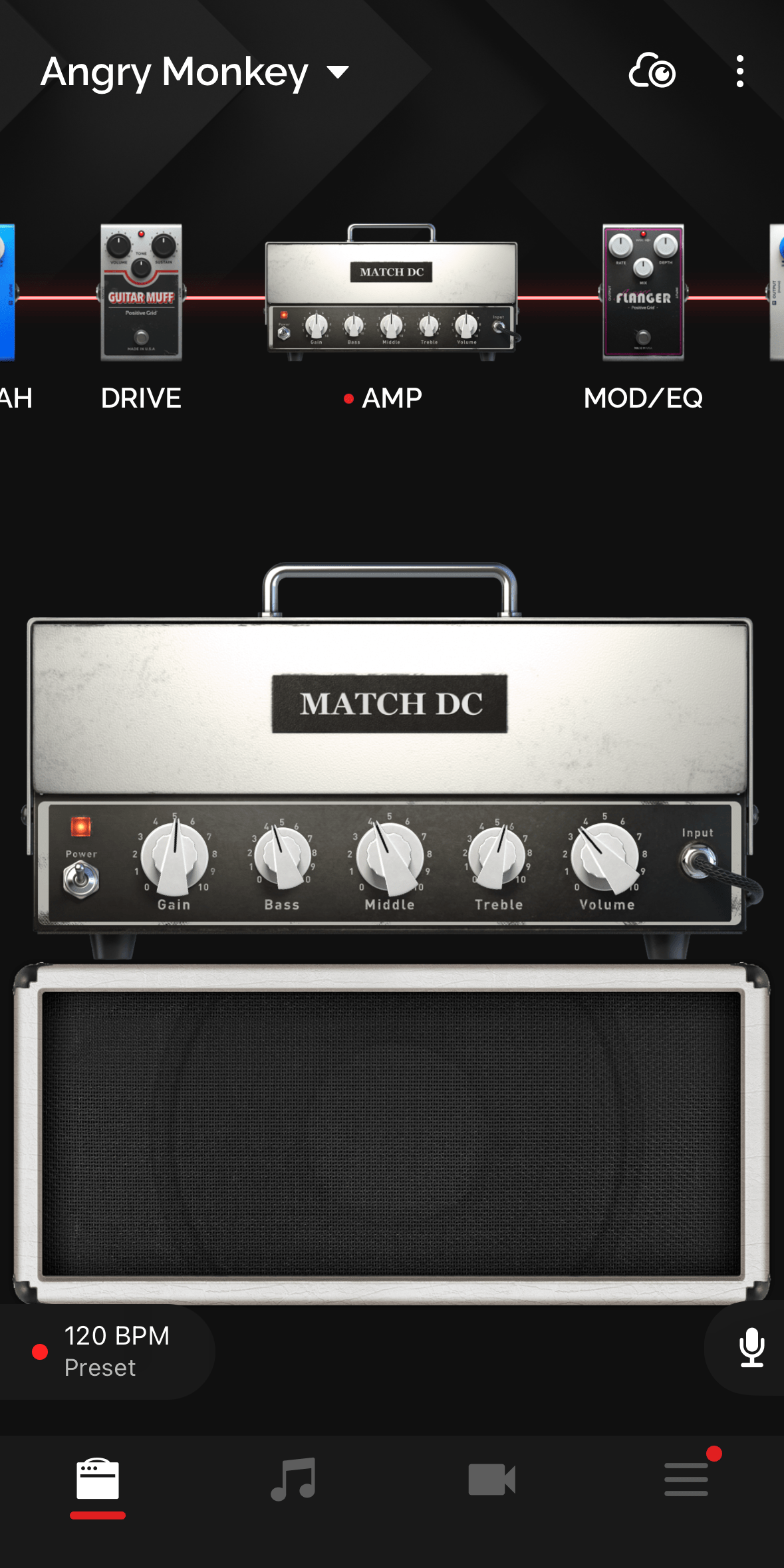
While all the physical interactions of the amp are very intuitive, the amp becomes more advanced when looking at the connecting app. The first page of the app shows graphics of classic amps, as well as the effects you can change, and allows you to change through them in the upper right corner.
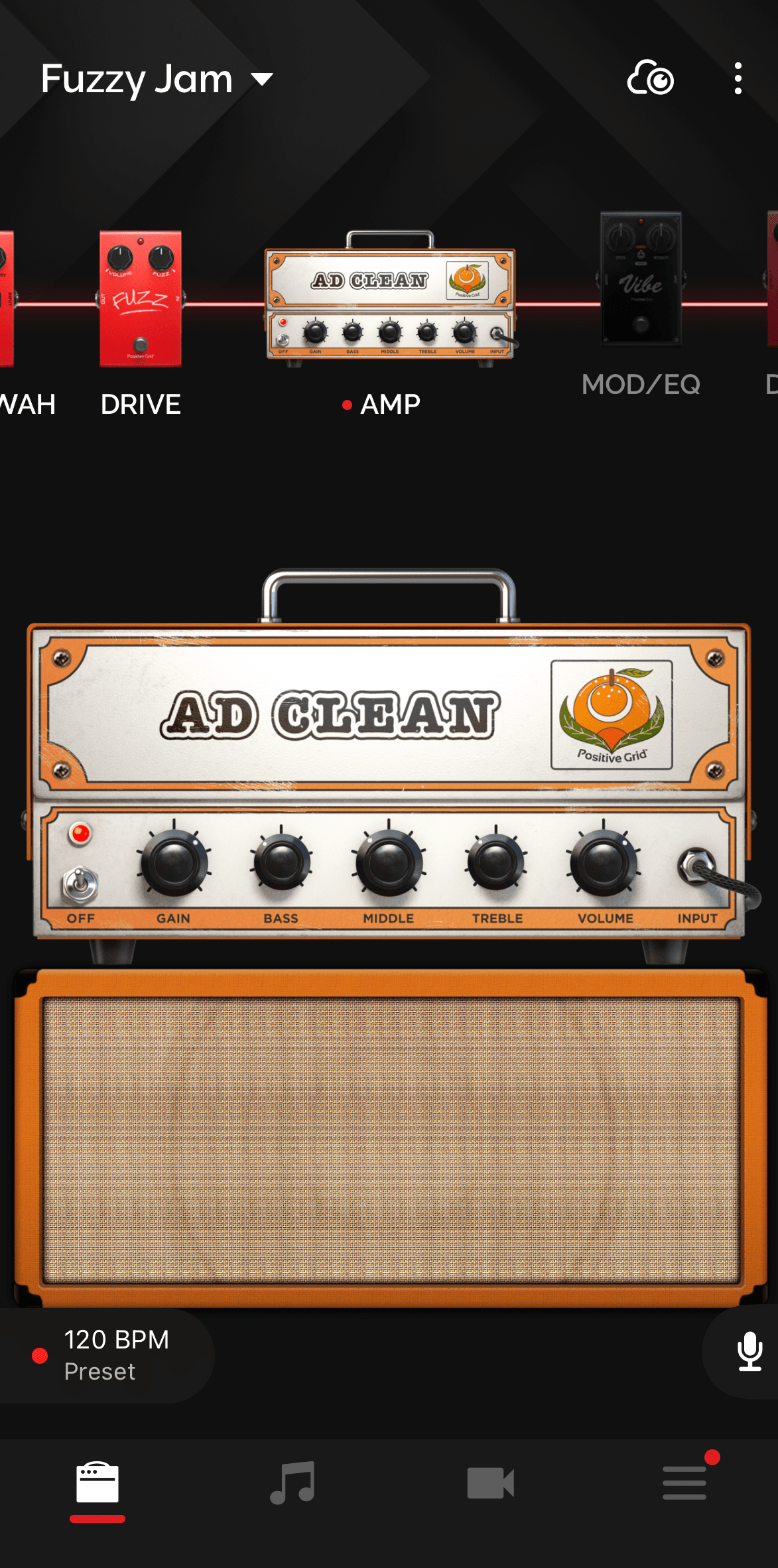
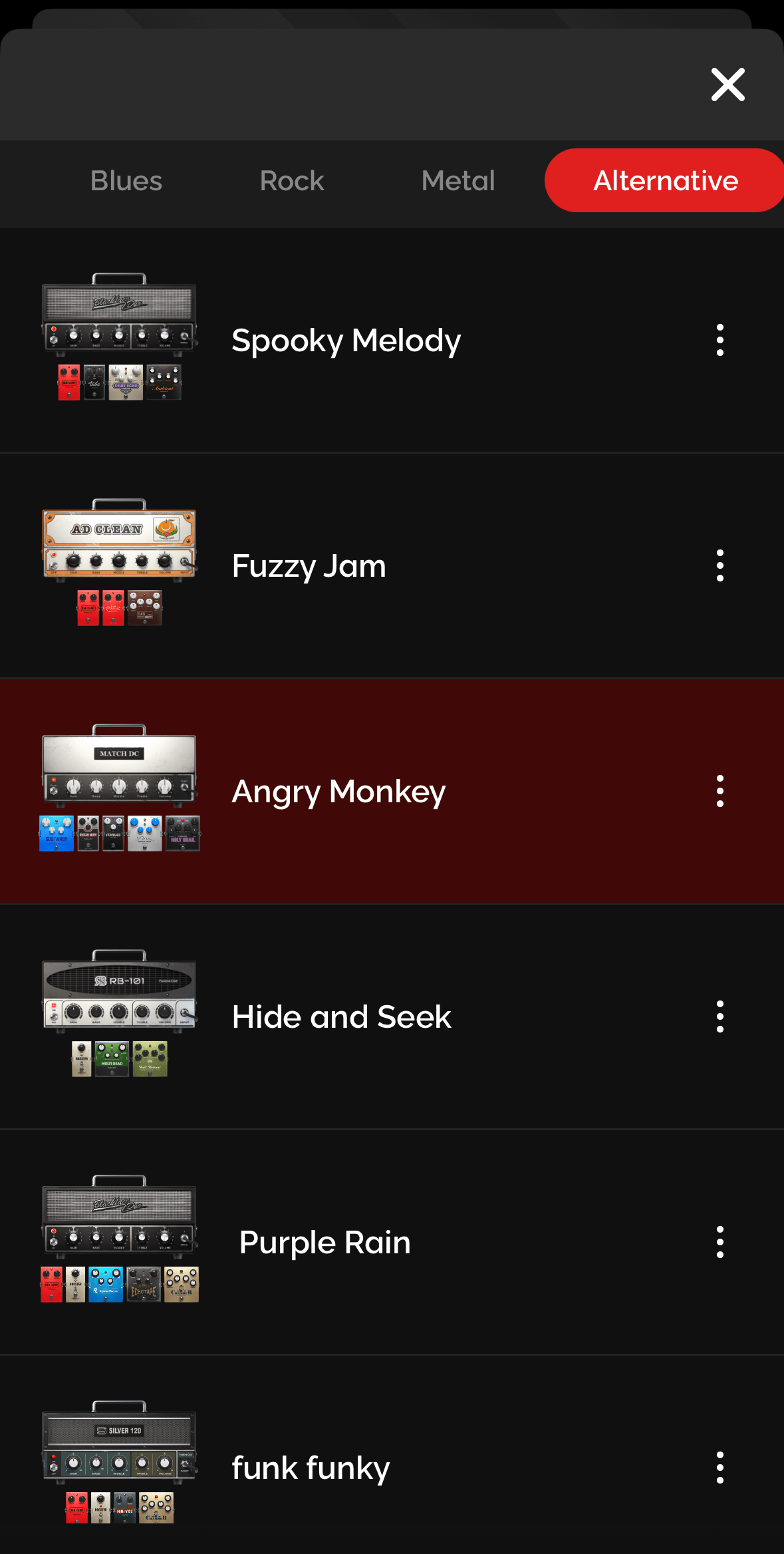
The app makes the amp even more accessible, as for each different amp that you cycle through, the digital dials on the model of the amp can be turned on the app, controlling the amp in real time. Having two different methods of dial control allows higher accessibility. Though the app models classic amps, the design on the app differs slightly from the real thing. Though the design is different, the sound still is similar to what you would hear from the physical amp. (The first sound is sampled from youtube demos of the amps, while the second sound is my own playing on the Spark amp)
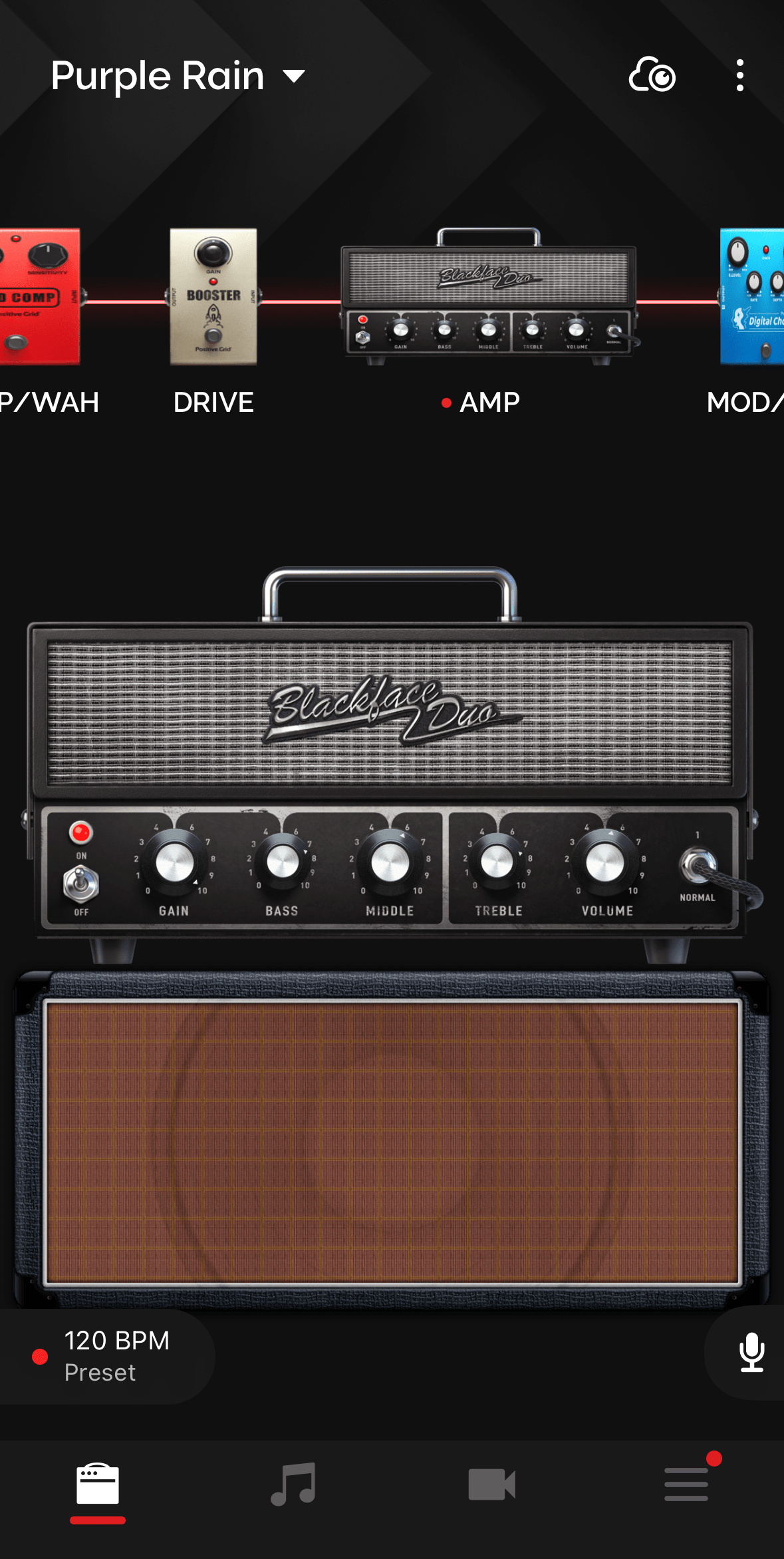
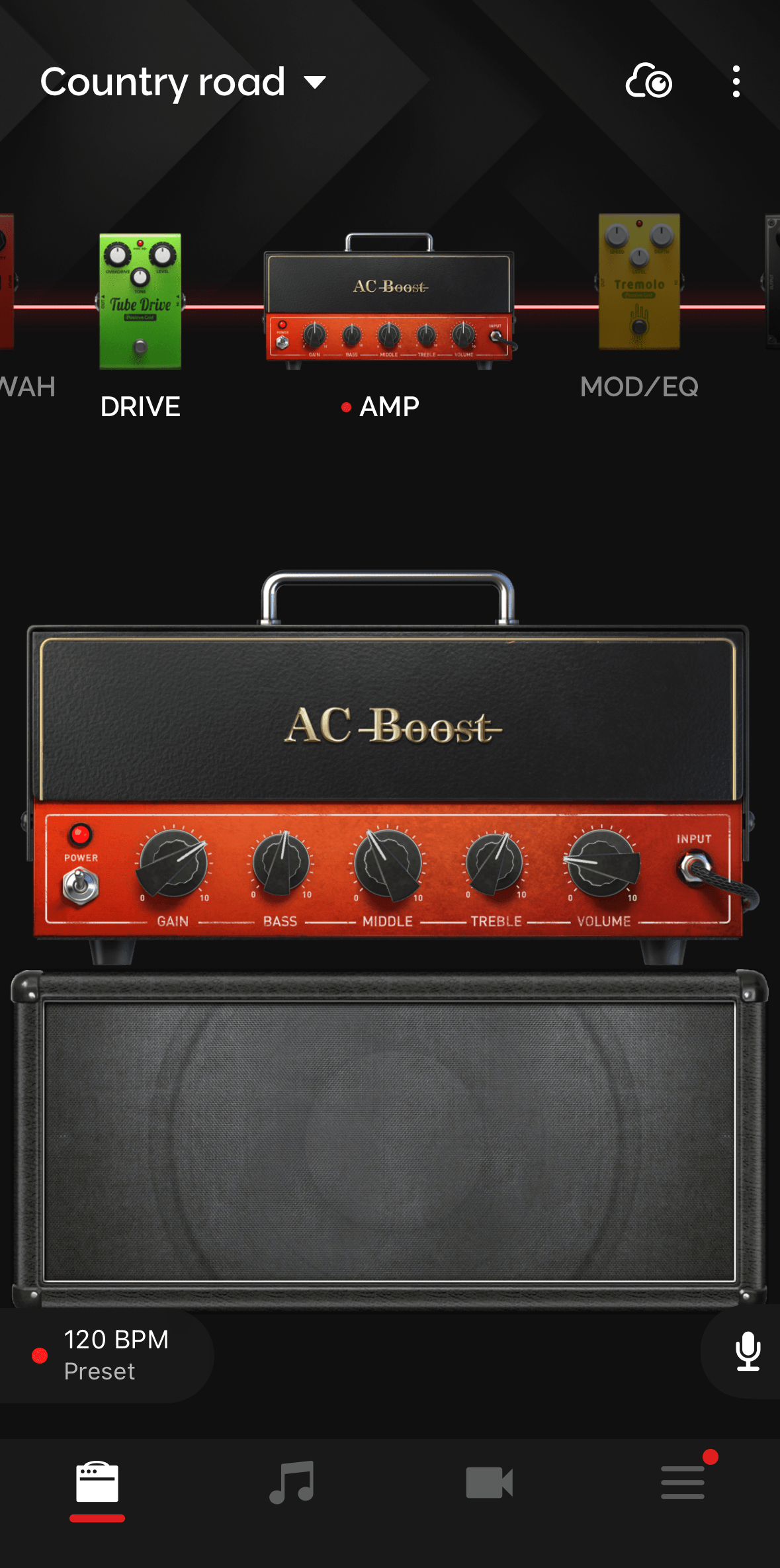
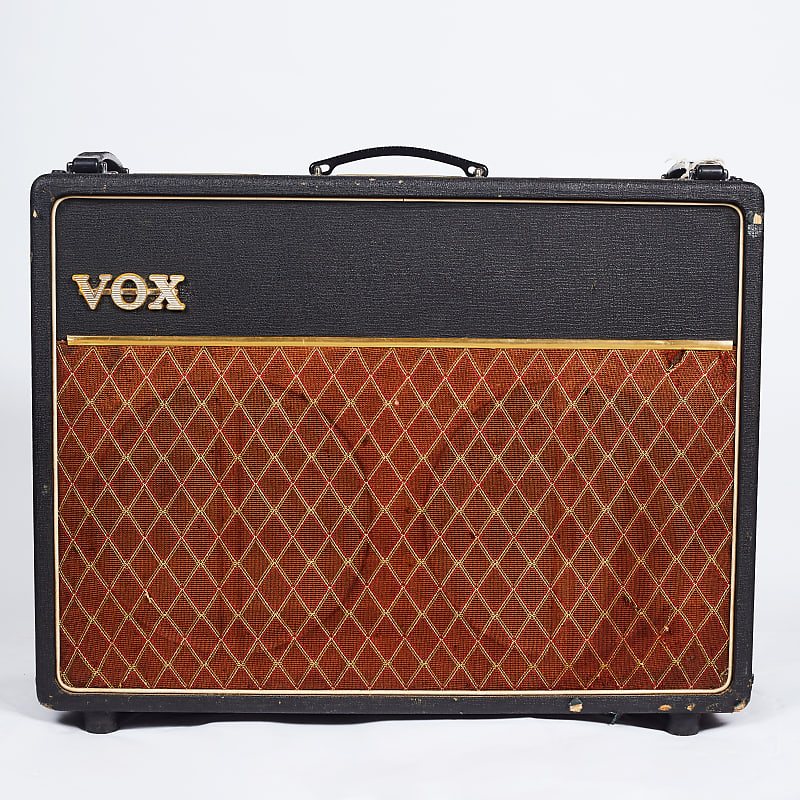
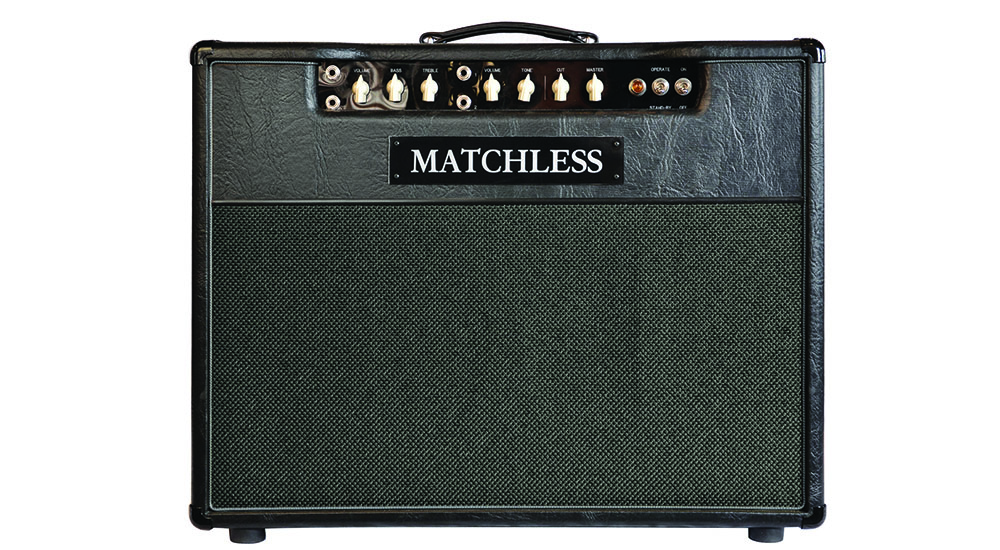
With the app’s ability to change through dozens of different amp sounds, it saves both money and increases experimentalism for guitarists. The extra features the app has past its modeling capabilities allows for further experimentation. One the unique features of this amp is its ability to auto-generate chords, which allows you to play a song over the bluetooth connection of the speaker and get the timing down a lot easier than trying to learn it on your own. My dad told me a little about his thoughts on the app: “The interface being an app is really powerful, as all of the preprocessing is customizable. The practice capabilities and its library of sounds and music is extensive, so if you want to play a song you can have the chords chart right in front of you and can play along with the original artist, so you don’t have to learn by ear. As a bass player you don’t have to guess the structure, it’s right there in front of you.” This is especially useful for if you have to practice away from your band members, you can still sync timing and play as if the entire band was together.
“If you’re arguing that this amp is so much cheaper and better, why is everyone still buying the one sound amps?” The Spark amp only exceeds situationally. While the spark amp has a lot of benefits in terms of allowing creativity in a musician starting out, it’s capabilities stop there. Though it does model dozens of amps, the sound achieved from the spark amp’s rendition of a classic amp would not hold up to the original sound, both in style and power. Due to the amp’s size, you would not be able to use it on a stage performance without getting drowned out by the other instruments. My dad now owns a spark amp himself, and though he gives it use through individual practice, he says “It’s really a small jamming and individual practice enabler. you can’t throw it on top of 2 cabs and keep up with a drummer with a full kit and a guitar with full stack and a PA. It’s restricted by its design that way, as it’s meant to be for certain situations and not others.” While this would be a deal breaker for larger performing artists who have the money and space to source single sound amps, and who are wanting the clearest strongest sounds from their amp, people like me, who mainly use the amp for small group jamming and individual practice, don’t need more than what the Spark amp offers.
Through the Spark amp’s functionality, dial layout, and app interactions, for guitarists who are looking for an amp to express their creativity without breaking the bank, the Spark amp succeeds. It is one of few amps that have an app intractable on top of modeling technology, leading to higher usability and functionality. Because of all this, the Spark amp would be perfect for beginners looking to get their first guitar amplifier.
 Emmy Kovalic
Leave a comment